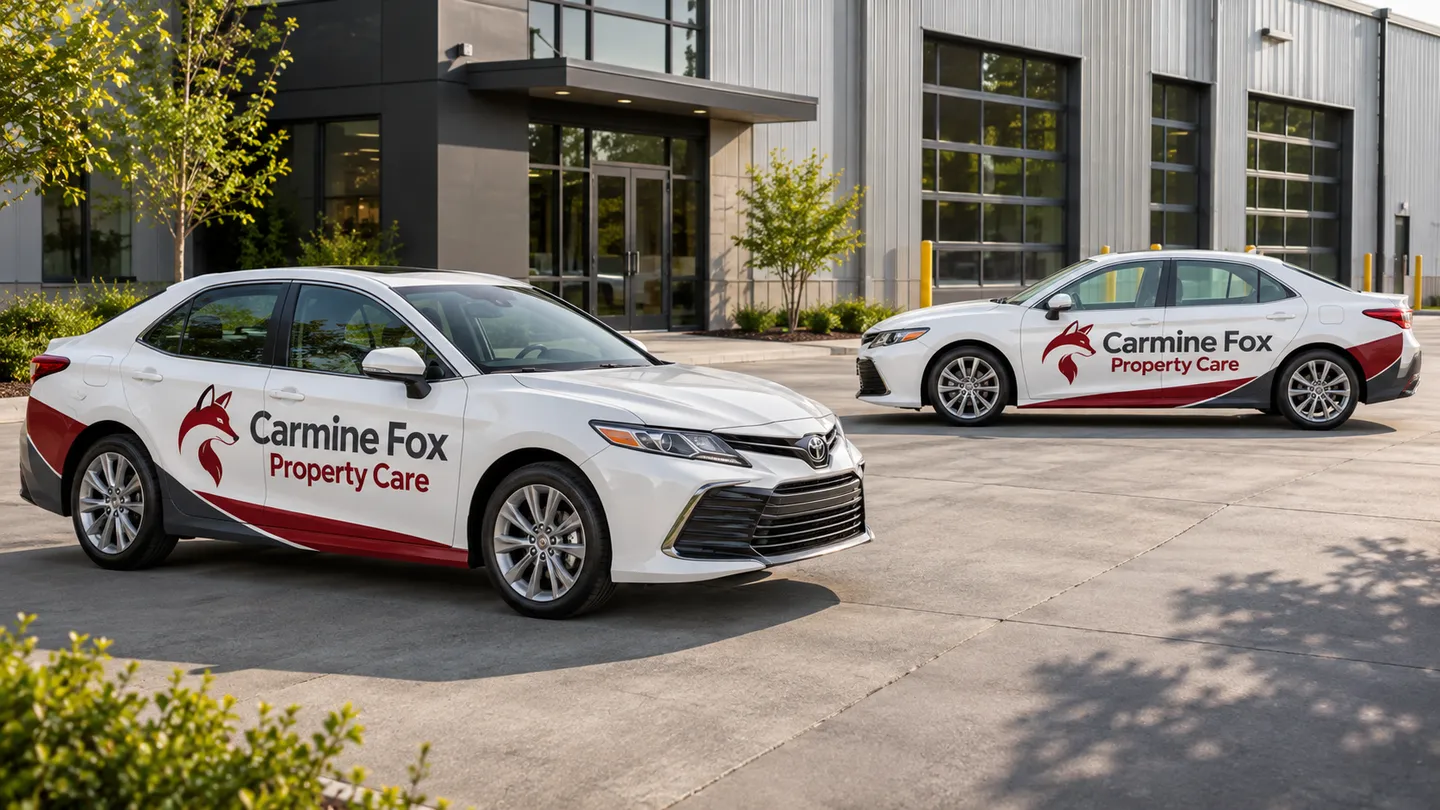
Start with context before detail
Photograph the car from positions that identify both sides, front and rear, then add views of each newly branded area. Include a unit label in the file record rather than depending on a recognizable background. Note when lighting, dirt or reflections prevent a clear view. A photo set can document what was observed, but it should not be presented as proof that every concealed surface was inspected or every defect was visible.
- Capture whole-vehicle views first.
- Add clear close views of relevant areas.
- Note conditions that limit the record.
Record observations in neutral language
Describe the location and appearance of an issue: lower passenger door, visible line near the handle, or edge lifted at the rear corner. Separate observations from explanations such as washing damage or installation failure unless a qualified assessment has established them. Preserve the original images and record when the issue was first noticed. A simple panel map or numbered list makes it easier for the supplier to find the same area without relying on informal directional descriptions.
- Use panel and side references consistently.
- Keep original images as well as annotated copies.
- Record when the observation was made.
Repeat the same set when the car changes hands
At reassignment, compare the new observation set with the earlier record and note additions rather than overwriting the history. Check whether the installed contact details and artwork revision still fit the car’s business role. If a salesperson’s direct number is no longer appropriate, request an approved graphics update instead of leaving the next driver to improvise. The handoff can then explain both physical condition and the accuracy of the business identity.
- Retain each dated handoff as a separate record.
- Review employee-specific contact graphics.
- Give unresolved observations an owner and next action.
Keep a working record
Before you approve the next step
- Use one unit ID across all image folders.
- Capture both broad and detailed views.
- State visibility limits in the record.
- Describe location and appearance neutrally.
- Retain original and annotated image versions.
- Compare records at each reassignment.
Use the free planning tool to organize the details you can confirm and the questions still open.
Four questions before the next step
Should the driver diagnose why an edge lifted?
Ask the driver to document what is visible and report it through the agreed route. Cause and remedy should be assessed by the responsible supplier rather than inferred from one photograph.
Read the detailed guide: Photograph a company car so later graphics questions are answerable
What if a mark appears in poor lighting?
Record the limitation and obtain a clearer view when it can be done safely. Avoid describing an unclear image as confirmation that a panel was either perfect or damaged.
Read the detailed guide: Photograph a company car so later graphics questions are answerable
Does the driver need the full production artwork?
Usually the driver needs a readable proof reference and clear care and reporting information. Keep production files with the authorized project records so future repairs can be requested accurately.
Read the detailed guide: Build a company-car graphics handoff a driver can use
Can the handoff establish a warranty?
No. It records the information supplied for this vehicle. Keep any applicable written product and installation terms separately and ask the responsible supplier about their conditions.
Read the detailed guide: Build a company-car graphics handoff a driver can use
Original technical sources
Use the linked publisher's current instructions for the exact product and vehicle. This planning guide does not replace its application, safety or warranty requirements.