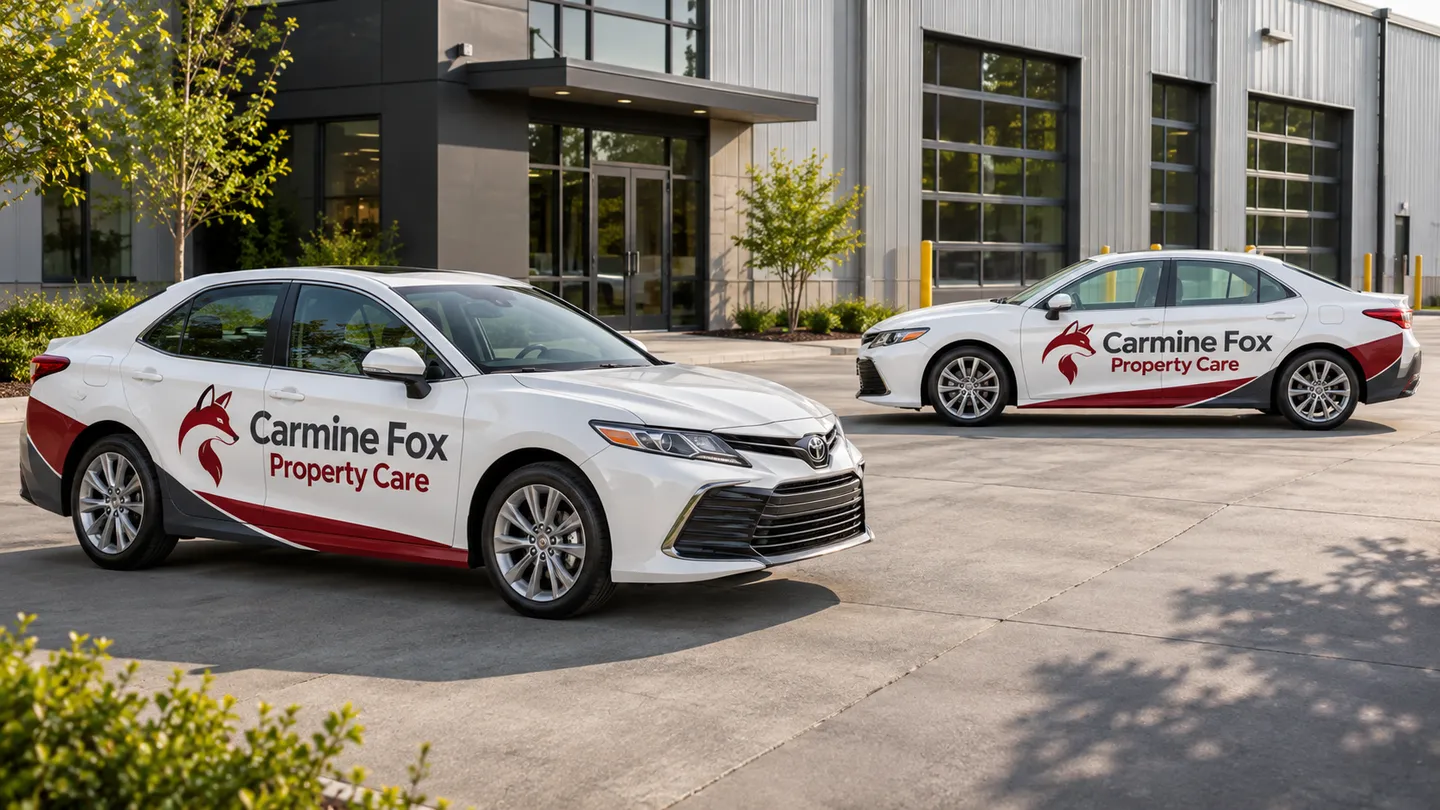
Identify the car and the installed work
Start with the unit identifier, exact car configuration and collection date. Add the approved proof or artwork revision and a plain description of the covered areas. Distinguish newly installed graphics from existing graphics that were retained. If one door or badge was excluded, state that visibly. The driver should not have to decide whether a difference is deliberate. Connect condition photos to the same record using a consistent filename or folder reference.
- List installed and retained graphics separately.
- Identify intentional exclusions.
- Label condition photos with vehicle and date.
Give the driver the actual supplied care information
Attach the installer’s care instructions for the installed product, including its source and revision when available. Do not replace specific instructions with a generic washing timetable from another vehicle. If the paperwork is missing, record who must obtain it and how the driver should ask for guidance. The manufacturer resource centers below help identify technical documents, but they do not establish the exact film, laminate or care instructions used on this car.
- Record the exact product when confirmed.
- Keep supplied instructions accessible to the driver.
- Name an owner for missing technical information.
Explain what happens when a problem is noticed
Choose one internal contact and give the driver a practical reporting format: unit ID, panel, observation, date and photographs. Ask for an overall view plus a closer view, without directing the driver to lift material or test an unknown cleaner. Keep vehicle-safety concerns in the company’s normal vehicle reporting process. The graphics record supports communication with the supplier; it does not authorize repairs, determine fault or replace the business’s driving procedures.
- Explain the observation and photo requirements.
- Separate a report from permission to repair.
- Use the normal fleet route for safety concerns.
Keep a working record
Before you approve the next step
- Confirm the vehicle identifier and collection date.
- Record the installed artwork revision.
- List exclusions and remaining items.
- Attach condition photographs by view.
- Provide the applicable supplied care information.
- Name an internal graphics issue contact.
Use the free planning tool to organize the details you can confirm and the questions still open.
Four questions before the next step
Does the driver need the full production artwork?
Usually the driver needs a readable proof reference and clear care and reporting information. Keep production files with the authorized project records so future repairs can be requested accurately.
Read the detailed guide: Build a company-car graphics handoff a driver can use
Can the handoff establish a warranty?
No. It records the information supplied for this vehicle. Keep any applicable written product and installation terms separately and ask the responsible supplier about their conditions.
Read the detailed guide: Build a company-car graphics handoff a driver can use
Should the driver diagnose why an edge lifted?
Ask the driver to document what is visible and report it through the agreed route. Cause and remedy should be assessed by the responsible supplier rather than inferred from one photograph.
Read the detailed guide: Photograph a company car so later graphics questions are answerable
What if a mark appears in poor lighting?
Record the limitation and obtain a clearer view when it can be done safely. Avoid describing an unclear image as confirmation that a panel was either perfect or damaged.
Read the detailed guide: Photograph a company car so later graphics questions are answerable
Original technical sources
Use the linked publisher's current instructions for the exact product and vehicle. This planning guide does not replace its application, safety or warranty requirements.